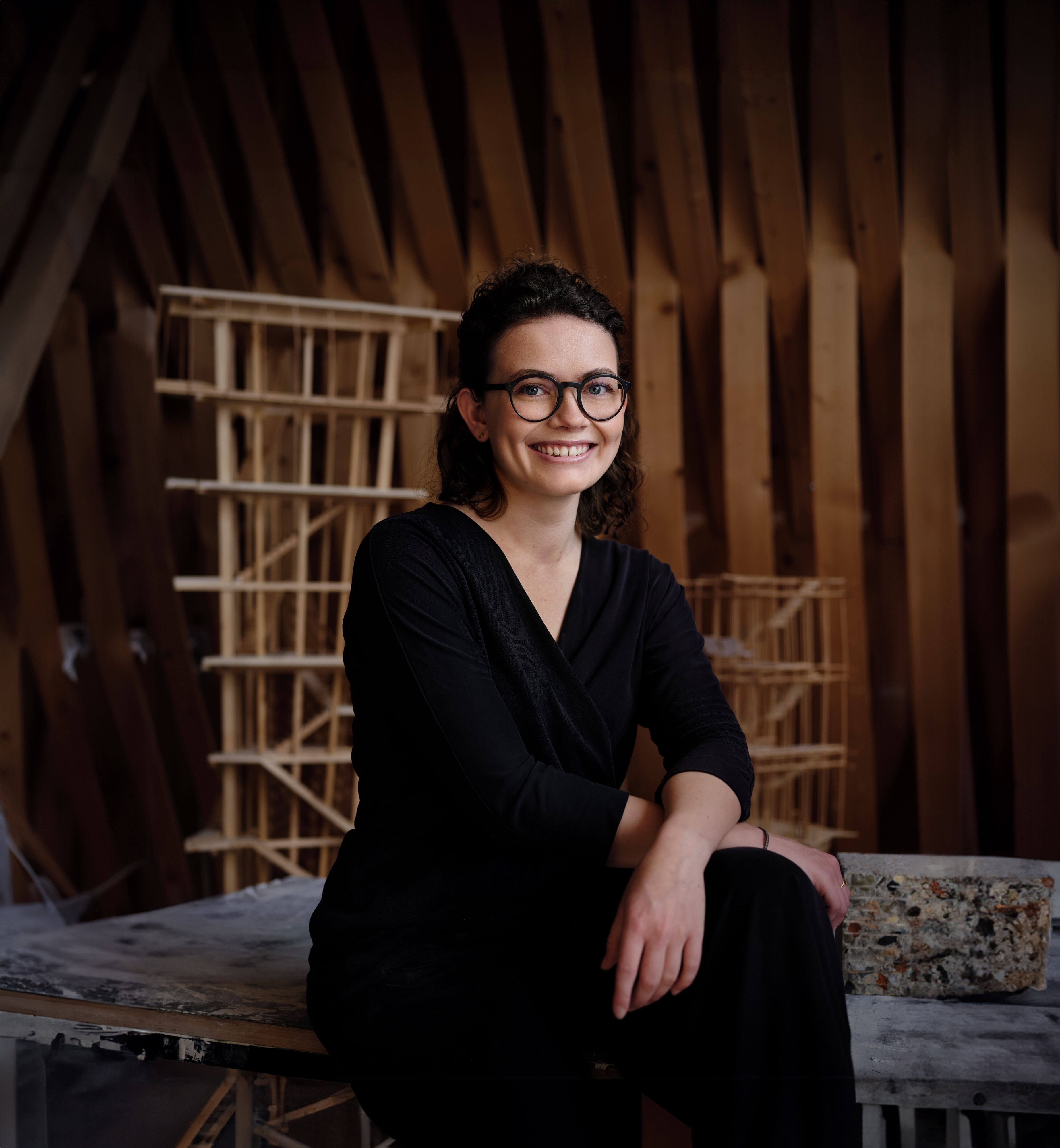
Lina Boos, BSc Arch
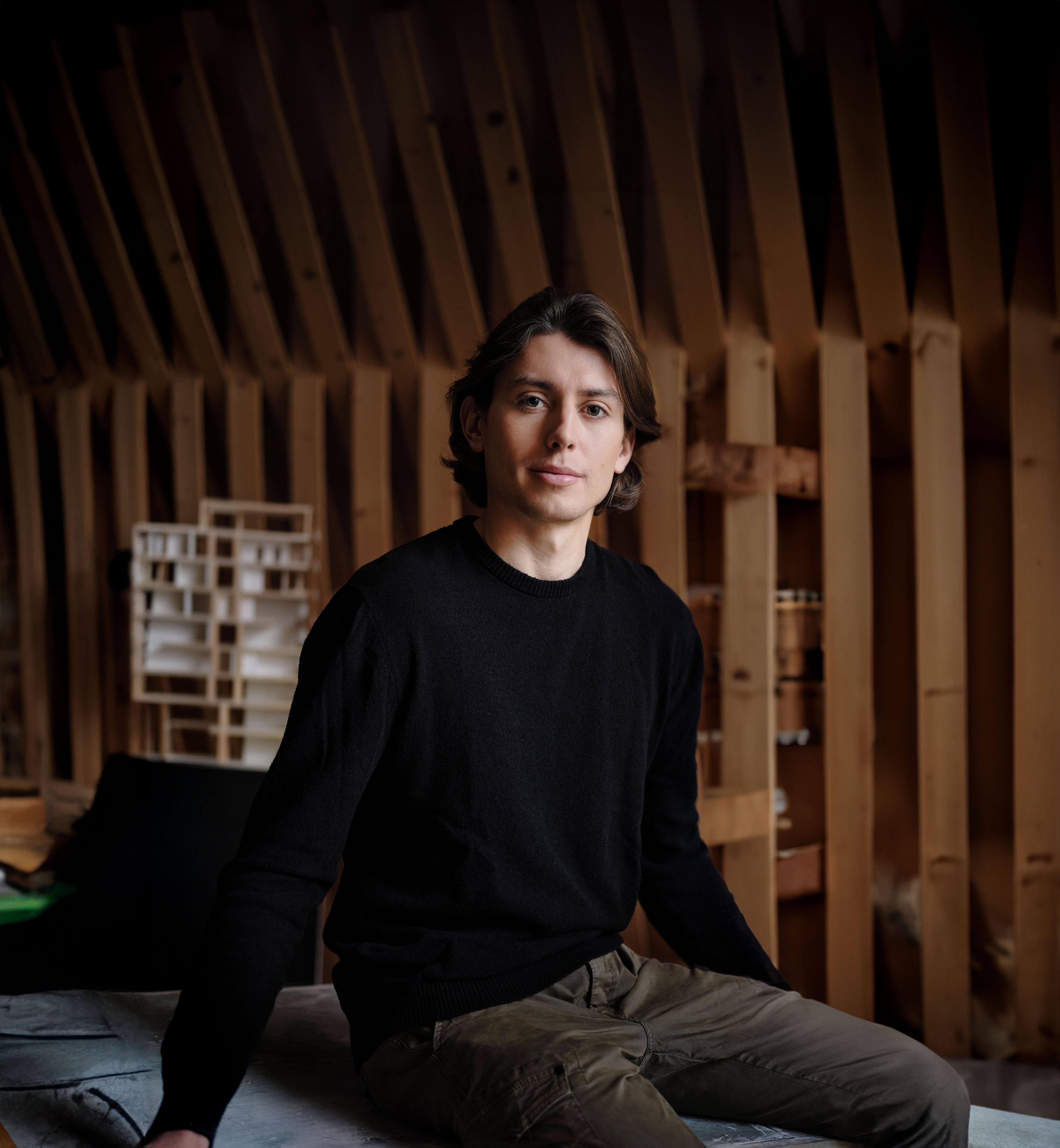
Christian Meier, MSc Arch

Anna Lohs, PhD Arch
We make
architects
Transform bold ideas
into sustainable realities

Lina Boos, BSc Arch
Christian Meier, MSc Arch
Anna Lohs, PhD Arch
We make
architects
Transform bold ideas
into sustainable realities
We make
architects
Transform bold ideas
into sustainable realities
The Liechtenstein School of Architecture (LSA) is committed to sustainable design. Our research and teaching focus on architectural and spatial responses to climate change, resource scarcity and urbanization processes. The LSA creates, conveys and cultivates knowledge for the benefit of society and our planet. We equip architects with the skills to meet global and local challenges with innovative and robust solutions. In an environment both international and close-knit, aspiring architects learn to initiate and successfully implement sustainable projects across various scales. Different educational formats encourage students to act responsibly for the common good. Required internships provide them with early-career professional experience and networking opportunities.
By cooperating with international partners bridging science and practice, the LSA is the premier research and competence centre for sustainable architecture and spatial development for Liechtenstein, the Alpine Rhine Valley, and the German-speaking «Vierländerregion». As the cosmopolitan think-tank for critical and creative discussion and action, the LSA links global questions and answers with regional challenges. In the face of social transformation and questions of responsible energy, land, and material usage, the LSA's strategic fields of action focus on:
We aim to help you become a both self-directed and team-oriented architect, capable of shaping a more sustainable environment and society. Our students learn to recognise the challenges of the future, initiate projects and implement them successfully. Awareness of the social, political, ecological, economic, and cultural relevance of projects is of particular importance to us. We consider theoretical discourse and practice, including 1:1 design experience, to be the foundation of architectural education. For us, theory and practice are in constant interaction across research and teaching.
We consider our Master’s degree programme a “laboratory”. It builds upon the foundational knowledge from Bachelor’s degree programmes, to connect the expertise of our region into global contexts and discourses. Together, we aim to discover how the built environment is produced, why it is articulated this way, and how it should be done in the future.
We do so with interdisciplinarity and internationality, enabling us to generate comparisons with other building cultures, disciplines, and methods. The programme uses research as a basis from which to develop experimental and visionary design proposals.
You will design and build numerous projects at a 1:1 scale with people from our region: model workshops, huts in the Alps or containers converted into an event venue have all been the subject of past design studios. You will benefit from this unique opportunity to experiment, at the interstice of theory and practice.
The LSA wants you to learn designing and building with a sense of social, ecological, economic, and cultural responsibility. For example, in our "Pro Bono" module, we dedicate concrete projects towards implementing the UN’s Agenda 2030 and the 17 Sustainable Development Goals. Students identify real-world partners, with whom to plan and execute projects for the common good – and in doing so, to contribute to sustainable development in both regional and international contexts. As a result, our students acquire skills that go beyond the normal scope of architecture education. They take on responsibility, learn independent project management, engage in communication with diverse stakeholders and prepare themselves for future leadership roles that have an explicit societal value.
The new LSA curriculum launched in 2024 reflects the most pressing issues and challenges facing architecture and urban planning: from climate change to resource scarcity, urbanisation processes, and the development of cutting-edge, sustainable building materials like earth.
Comprehensive and personal support from mentors as well as peer learning (through joint Bachelor’s and Master’s studios) and our alumni networking opportunities will help you to transition from a new student to a seasoned expert to a graduate – and then out into the world for your career.
The Master’s degree programme in Architecture is highly international, as a result of the international student body, constant collaboration with international academic partner institutions as well as international guest reviewers for mid-term and final reviews. Intercultural exchange is promoted through our seminar week excursions and design seminars, regularly conducted by internationally renowned experts. You can study abroad with one of our 40 partner universities or as part of an Erasmus+ project. Finally, Liechtenstein's central location in Europe provides a unique opportunity to gain cross-border perspectives on architecture. You'll have access to diverse architectural influences from neighbouring countries such as Switzerland, Austria, and Germany.
We are the first and only institution worldwide to receive accreditation from the Royal Institute of British Architects (RIBA) across all of our programmes (BSc, MSc, and PhD). The LSA, formerly the Institute of Architecture and Planning, underwent an extensive, multi-year examination to receive this seal of approval and quality assurance. Our continual re-accreditation processes serve as tools for reflection and critical scrutiny of our programmes, which we regularly update to meet student needs and face new global challenges. In addition, the University of Liechtenstein is institutionally accredited by the Swiss Agency of Accreditation and Quality Assurance (AAQ).